What happens after something goes wrong matters just as much as the solution.
The Repair Lab is on-site complaint handling and service recovery training for luxury hotel teams. Using real situations from your property, it develops how people take ownership, protect guest dignity and follow through clearly, so the practical problem is resolved without losing the human relationship.
Delivered where service actually happens. Built around your property, your guests and the moments your team faces every day.
At a glance
Built for real service environments
Format
Live and on site, in the spaces where service happens
Built around
Your reviews, complaint patterns, team realities and observed situations
For
Front office, guest relations, duty managers, food and beverage teams, and heads of department
Measured through
A short signal read before the Lab and another afterwards
The problem can be solved and the relationship still lost
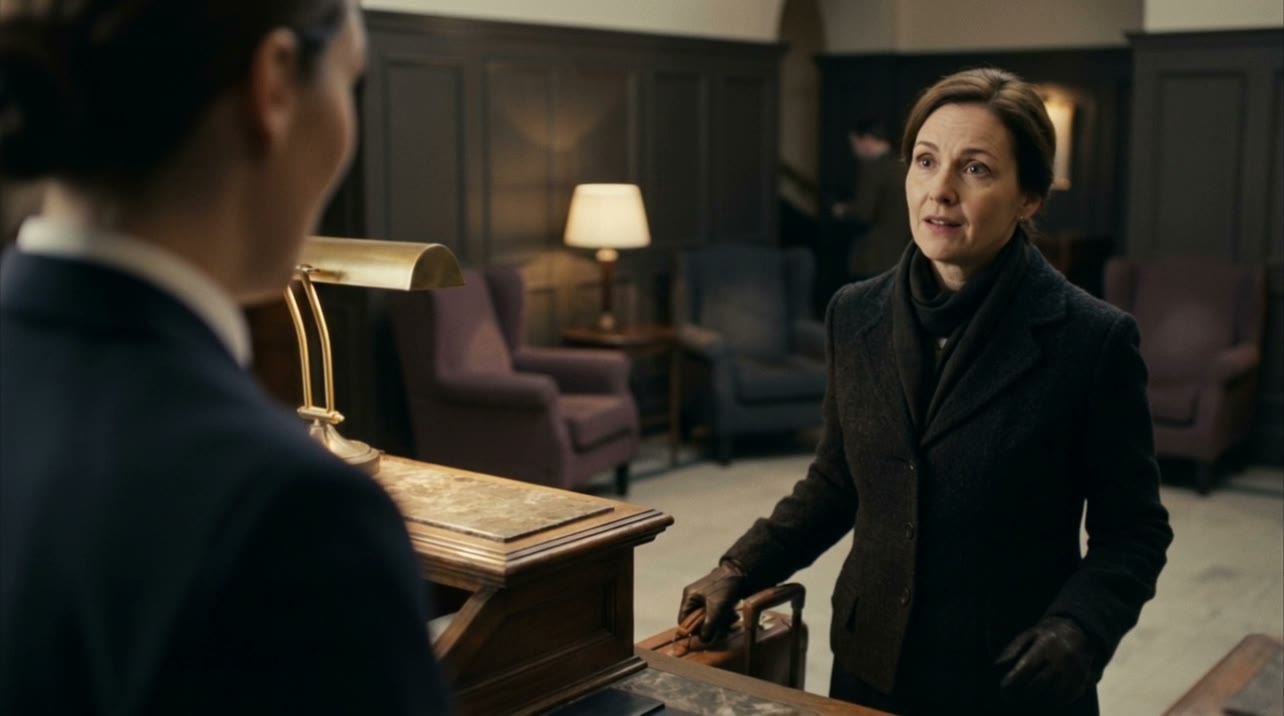
A guest comes to the desk because the room is not ready, the booking is wrong or dinner never arrived.
The team fixes the problem quickly and politely. Yet the guest still leaves the conversation feeling dismissed.
The report shows a resolved issue and a good response time. What it cannot show is whether the exchange restored trust.
That is the gap the Repair Lab is built to address.
Fixing the fault and repairing the experience are two different jobs
Most complaint handling training focuses on resolving the practical problem. That matters, but it is only one part of recovery.
The other part is the way the guest is treated while the problem is being resolved: whether someone acknowledges the impact, takes clear ownership and follows through without making the guest chase.
A solution can be correct, fast and generous, and still feel impersonal. The Repair Lab develops the behaviours that prevent that gap.
Why this matters commercially
Guest retention is shaped by many factors, and no single dataset can explain why every guest leaves. But recent hospitality data shows the scale of the retention challenge.
Bookboost analysed more than six million guest records across its connected properties between 2024 and 2026. It found that 71% of guests who returned for a second stay did not make a third. Across €1.85 billion in tracked revenue, 88% came from first-time guests. View the Bookboost analysis
The data does not tell us that every lost guest left because of service recovery. It does show why apparently successful experiences deserve closer attention. A closed complaint is not always a restored relationship.
Recovery begins before the solution
Guests begin reading a response before the first sentence is complete. They notice the face, the pause, the tone and whether the person in front of them appears present or defensive.
We call this the four-second window: the first moments in which a guest begins to decide whether a person has taken ownership or a process has taken over.
The Repair Lab starts there, then develops the ownership, language, dignity and follow-through that shape everything afterwards.
What good recovery looks like
The Recovery & Dignity scale, published openly
Good intentions are not enough. If recovery is going to improve, the behaviour has to be clear enough to observe, discuss and practise consistently. Recovery and Dignity is one of seven dimensions used within the Unspoken Signals Signal Audit. The anchors below show the difference between a response that is mainly procedural and one that protects both the outcome and the guest relationship.
5
The impact is acknowledged, ownership is clear, privacy and dignity are protected, a next step is agreed, and the team follows up proactively.
4
The issue is owned and resolved with care and clear communication, with only a minor gap in follow-through.
3
The issue is resolved correctly and courteously, but the response remains mainly procedural, with limited acknowledgment or proactive follow-up.
2
The guest has to repeat information, ownership is unclear, or updates are only provided when the guest asks again.
1
The issue is minimised, disputed or passed elsewhere, with no clear next step and no visible ownership.
Many teams are already capable of fixing the practical issue. The more common gap lies in acknowledgment, ownership and follow-through. The scale gives the team a shared language for seeing that difference without pretending to know exactly what a guest is thinking.
How the Repair Lab works
Read, practise, measure what changed
01
Read the situation
Before the Lab, we complete a short signal read. We look at the property’s complaint patterns, relevant reviews and the situations the team finds hardest to recover.
02
Practise the moments
The team works through realistic scenarios drawn from the property. Feedback focuses on observable behaviour: the first response, ownership, language, privacy, handovers and follow-through.
03
Measure what changed
Afterwards, we repeat the signal read. This creates a visible comparison and shows where behaviour shifted, where it held and what still needs attention.
What your team will practise
Eight behaviours, drawn from your own situations
Every Lab is built from the property’s own reviews, complaint patterns and operational realities, not a generic script. These are the behaviours the team practises and we measure.
The first response
How the face, body and voice shape the interaction before the explanation is complete.
Clear ownership
How to take responsibility for moving the situation forward, even when the original problem was not yours.
Acknowledging impact
How to show that the inconvenience or disappointment has been understood without relying on empty or repeated apologies.
Protecting dignity
How to resolve a problem without making the guest repeat themselves, defend their reaction or become the centre of attention.
Reading withdrawal
How to notice when a guest becomes quieter, less engaged or reluctant to continue, and how to respond without making assumptions.
Handling handovers
How to transfer responsibility without transferring the burden back to the guest.
Following through
How to close the loop clearly and proactively so the guest does not have to chase.
Holding the standard under pressure
How to make recovery work on a busy Saturday, not only on a quiet Tuesday.
What changes afterwards
A shared standard for when the script runs out
More consistent ownership when pressure rises.
Fewer unnecessary handovers and less repetition for the guest.
Stronger recognition of withdrawal, discomfort and unresolved tension.
Clearer communication about what will happen next and who is responsible.
More confident frontline teams when something goes wrong.
Observable movement in the Recovery and Dignity behaviours measured before and after the Lab.
The aim is not to make every difficult interaction perfect. It is to give the team a shared, practical standard they can use when the situation is real, the pressure is high and the script has run out.
Who the Repair Lab is for
The Repair Lab is designed for the people who are present when something goes wrong: front office, guest relations, duty managers, restaurant and bar teams, and the heads of department who lead them.
It is particularly useful where operational standards are strong but recovery still varies by person, shift or level of pressure. It can support an individual team, a cross-department group or the leaders responsible for making recovery consistent across the property.
Built from the reality of luxury hospitality
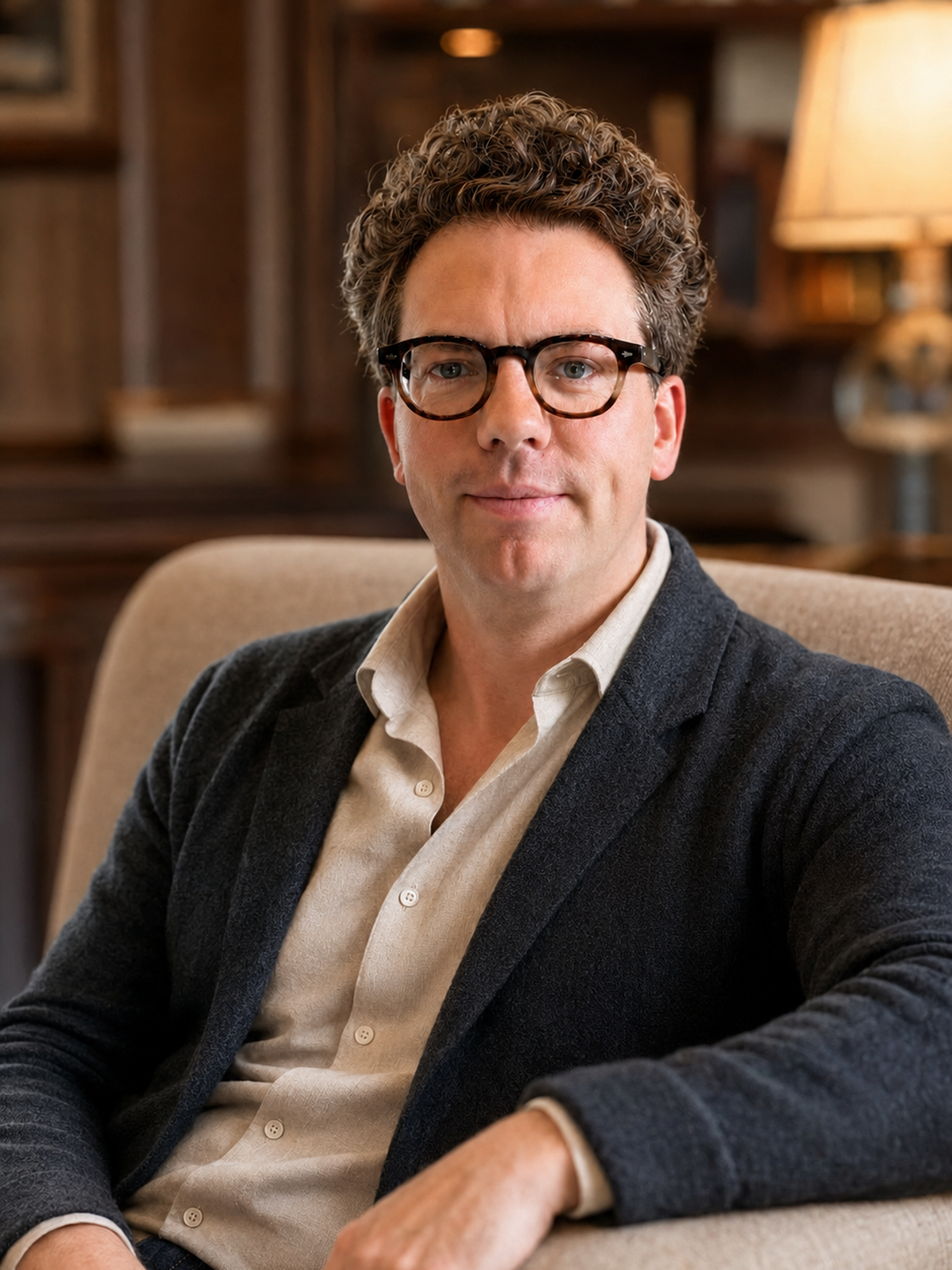
Led by Freddie Lovett
The Repair Lab is led by Freddie Lovett, founder of Unspoken Signals. Freddie brings more than 20 years of experience across five-star hotels and luxury properties, including frontline operations, VIP complaint handling and the development of high-performance teams.
The Lab is not built from generic customer-service theory. It is shaped by the moments Freddie has handled, observed and led through, when the practical answer was only part of what the guest needed.
“The problem is rarely just whether the team found a solution. It is whether the guest felt that someone had genuinely taken the situation on.”Freddie Lovett
How do you know this is the right Lab?
Sometimes the gap is a skill. Sometimes the process makes good recovery harder than it should be.
That is why every Repair Lab begins with a short signal read and ends with a second one. It allows us to shape the session around what is actually happening and identify which behaviours changed.
If the issue extends beyond service recovery and appears across the wider guest journey, the Human Impact Audit provides the broader view. It identifies the patterns that sit behind individual moments and shows which behaviours need to be practised, measured and protected.
What is the difference between complaint handling and service recovery?
Complaint handling usually focuses on resolving the problem a guest has raised. Service recovery also considers the relationship: how the guest is treated, whether the impact is acknowledged, who takes ownership and what happens afterwards. The Repair Lab develops both, with particular attention to the human part of the recovery.
How long does the Repair Lab take?
The Repair Lab is not sold as a fixed, off-the-shelf workshop. The recommended format is agreed after the initial signal read and depends on the number of teams involved, the situations being practised and the operational rhythm of the property. It can be structured as a focused team session or a fuller development day.
Where does the Lab take place?
It is delivered on site, in the property and as close as practical to the environments where service recovery happens: the front desk, lobby, restaurant, bar, phone or relevant guest-contact spaces.
Do we need a Human Impact Audit first?
No. The Repair Lab can be booked as a standalone service. Every Lab includes a short signal read before and after so there is a relevant baseline and a visible comparison, but this is not the same as a full Human Impact Audit.
Is this the same as mystery shopping?
No. Mystery shopping typically evaluates an experience against predefined criteria. The Repair Lab is a development intervention: the team practises real recovery situations, receives behavioural feedback and is observed before and after the session.
Which teams should attend?
Anyone who may be present when something goes wrong. This often includes front office, guest relations, duty managers, restaurant and bar teams, and the heads of department responsible for leading them.
What is the service recovery paradox?
The service recovery paradox is the idea that an exceptionally well-handled failure can sometimes leave a customer more satisfied than if nothing had gone wrong. Research suggests this can occur, but not consistently and not simply because a problem was resolved. The practical lesson is that the quality of the recovery matters; it should never be treated as a reason to accept preventable failures.
What is a silent complaint?
A silent complaint is dissatisfaction a guest does not raise directly. It may show up as withdrawal, reduced engagement, a neutral response or no return at all. These are signals rather than proof, which is why they have to be read carefully and in context. Silent dissatisfaction is explored in greater depth in the Quiet No Lab.
Does the Lab use generic role-play scenarios?
No. The scenarios are built from the property’s own environment, reviews, complaint patterns and operational realities. The aim is to practise situations the team recognises, not perform a script that disappears as soon as the session ends.
How is improvement measured?
We use a short signal read before and after the Lab, focused on observable behaviours such as acknowledgment, ownership, clarity, dignity and follow-through. The purpose is to show what changed and what still needs attention, not to manufacture false precision.
When something goes wrong, what do you want your guest to remember?
Tell us what happened, and what you wish had happened instead. Freddie will come back to you personally to discuss whether the Repair Lab is the right next step for your property.